Blog
Why Some Workplace Injuries Involve More Than Workers’ Compensation
The Tadda Law Firm · May 29, 2026 · 4 min read
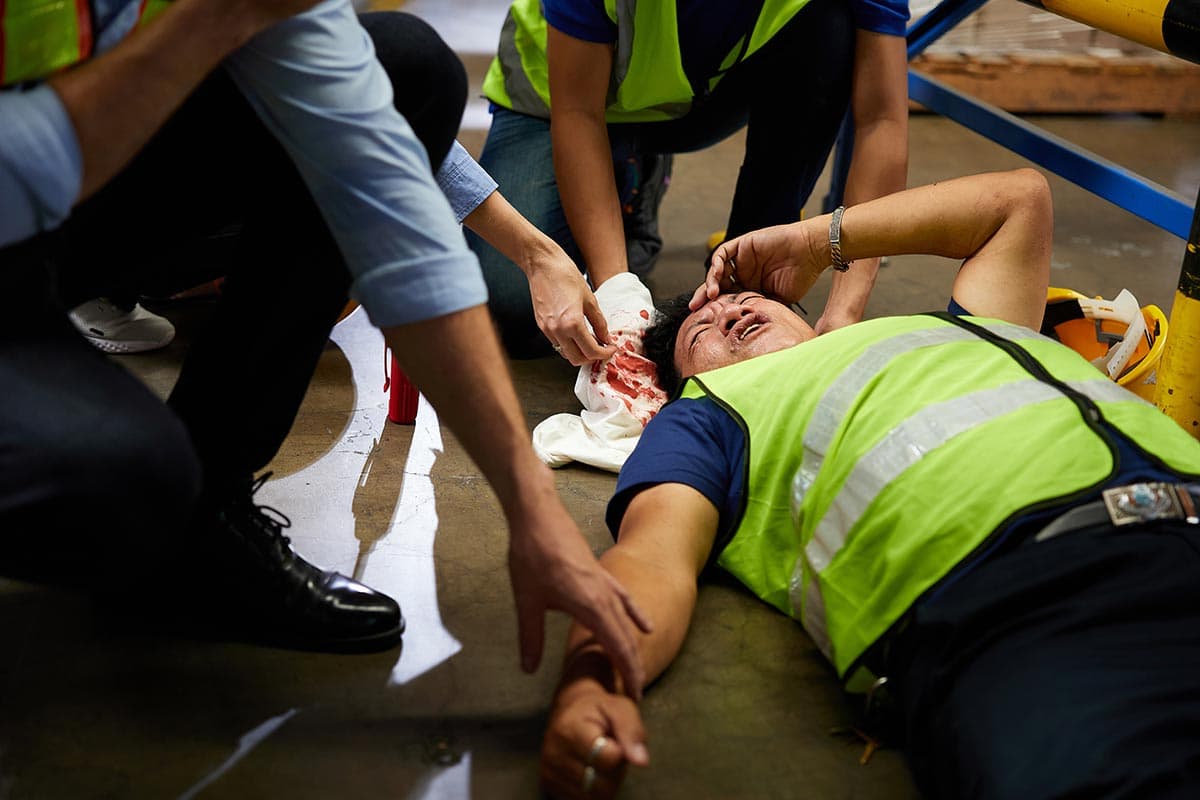
When somebody gets hurt on the job, the first thing most people think about is workers’ compensation.
And in many situations, that’s appropriate. Workers’ compensation exists to provide medical coverage and wage-related benefits after workplace injuries without requiring employees to prove fault.
But here’s something many injured workers do not initially realize:
Questions about your own situation? Call or text (225) 756-0007. The consultation is free and it is with an attorney.
Sometimes a workplace injury involves more than just workers’ compensation.
Sometimes another company, contractor, driver, property owner, or equipment manufacturer played a role in causing the accident too.
That’s where third-party liability claims enter the picture.
And honestly, workplace accident scenes can become surprisingly complicated once everybody starts figuring out who was responsible for what.
Especially on large job sites where there are more subcontractors than parking spaces.
One of the biggest misconceptions people have is assuming workers’ compensation automatically prevents every possible legal claim related to the accident.
That’s not always true.
Workers’ compensation laws generally limit lawsuits against employers directly, but if somebody outside the employer relationship contributed to the injury, a separate third-party claim may still exist.
That distinction matters.
Construction sites are one of the most common examples.
A construction project may involve general contractors, subcontractors, electricians, crane operators, equipment suppliers, delivery companies, engineers, and property owners all working simultaneously.
When an accident happens, figuring out responsibility can become complicated very quickly.
If a subcontractor leaves unsafe equipment on-site, a property owner ignores dangerous conditions, or defective machinery fails, the injured worker may potentially have legal claims involving parties beyond the employer itself.
And construction sites are basically giant moving puzzles full of ladders, machinery, power tools, heavy materials, and people yelling measurements at each other over engine noise.
Things can go wrong fast.
Vehicle accidents create another common situation involving third-party liability.
For example, if a delivery driver gets injured while working because another driver ran a red light, workers’ compensation may cover certain benefits, but the at-fault driver could also become part of a separate injury claim.
Same injury.
Different legal issues involved simultaneously.
That’s where things start getting more complicated than most people expect.
Defective equipment cases are another example.
Sometimes workplace injuries happen because a machine malfunctions, safety equipment fails, or industrial tools contain dangerous defects. In those situations, the manufacturer, distributor, maintenance company, or equipment supplier may potentially become part of the legal analysis.
And unfortunately, industrial equipment does not always fail politely.
One minute everything is functioning normally. The next minute there’s an accident investigation involving maintenance records, safety reports, and several people standing around saying, “That machine wasn’t supposed to do that.”
Property conditions can create third-party liability situations too.
Employees working at warehouses, industrial facilities, apartment complexes, retail centers, or commercial properties may encounter hazards controlled by someone other than the employer. Poor lighting, broken stairways, slippery walkways, unsafe structures, or neglected maintenance sometimes become important factors in injury cases.
One challenge with workplace injuries is that injured workers are often overwhelmed immediately after the accident. Medical treatment becomes the priority. Bills start arriving. Work schedules get disrupted. Recovery becomes stressful.
Meanwhile important evidence may disappear quickly.
- Accident scenes change.
- Equipment gets repaired.
- Surveillance footage gets erased.
- Witness memories fade.
That’s one reason workplace injury investigations can become very important, especially when third-party liability may exist.
Photographs, incident reports, OSHA documentation, maintenance logs, and witness statements all matter.
And yes… there are absolutely situations where somebody says, “There used to be a warning sign there,” while three other people immediately pretend they’ve never seen a warning sign in their lives.
Another thing injured workers should understand is that workers’ compensation and third-party claims operate differently.
Workers’ compensation generally does not require proving negligence. Third-party injury claims usually do.
That means separate legal standards often apply.
Different insurance companies may also become involved simultaneously, which can create a lot of paperwork, confusion, and phone calls involving phrases like “subrogation rights” that nobody enjoys hearing unexpectedly.
Serious injuries often make these cases even more complicated.
Spinal injuries, traumatic brain injuries, severe burns, amputations, and long-term disabilities can create enormous financial and medical consequences extending far beyond the initial accident itself.
Future medical care, rehabilitation, lost earning capacity, and long-term recovery all become major considerations.
And workplace injuries affect more than finances.
People often underestimate the emotional stress involved when somebody suddenly cannot work, support family responsibilities normally, or return to the routine life they had before the accident.
That stress becomes part of the reality many injured workers face every day during recovery.
Another important issue involves timing.
Different legal deadlines may apply to workers’ compensation claims versus third-party injury claims. Waiting too long to investigate or document certain issues can create serious problems later.
And unfortunately, legal deadlines do not pause simply because somebody is injured and overwhelmed.
One thing learned over years handling injury cases is that many people never even realize a third-party claim might exist until somebody takes a closer look at the facts surrounding the accident.
The injured worker simply assumes, “It happened at work, so it’s only workers’ compensation.”
But workplace accidents often involve far more moving parts than people initially realize.
Especially in industries involving transportation, construction, industrial equipment, subcontractors, or commercial property operations.
At the end of the day, third-party liability claims exist because not every workplace accident is caused solely by the employer itself.
- Sometimes another company created the danger.
- Sometimes defective equipment failed.
- Sometimes another driver caused the crash.
- Sometimes unsafe property conditions contributed to the injury.
- And sometimes workplace accidents turn into legal situations involving multiple layers of responsibility all at once.
Which is why these cases often become far more complicated than simply filling out an incident report and hoping somebody remembered where the clipboard went afterward.
Related practice area: Workers compensation lawyer in Baton Rouge
This article is general information about Louisiana law and is not legal advice about your situation. If you want an answer about your own case, the consultation is free and it is with an attorney.
Call or text (225) 756-0007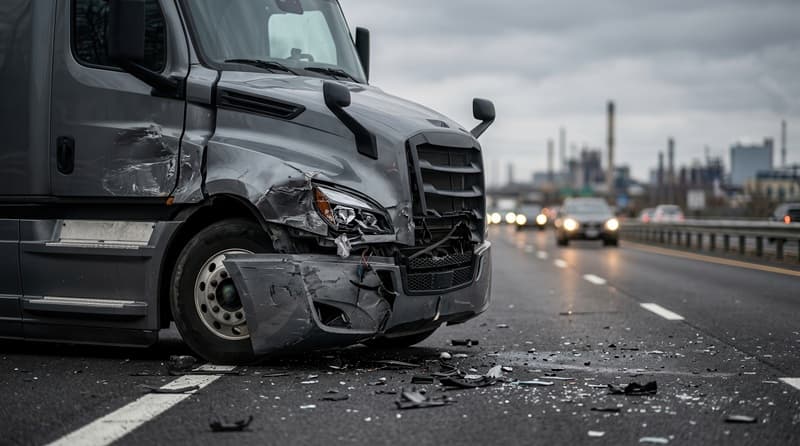

Free consultation
Start with a conversation with an attorney.
Free same-day consultations, Monday through Friday. Tell us what happened and we will tell you honestly whether there is a claim worth pursuing and what the next step looks like.
You will speak with an attorney, not a case worker.