
Baton Rouge, Louisiana
Motorcycle accident lawyer in Baton Rouge
A rider has almost nothing between them and the road, so the injuries are usually worse than in a car crash and the insurance is often not enough. The first conversation is free, and it is with an attorney.
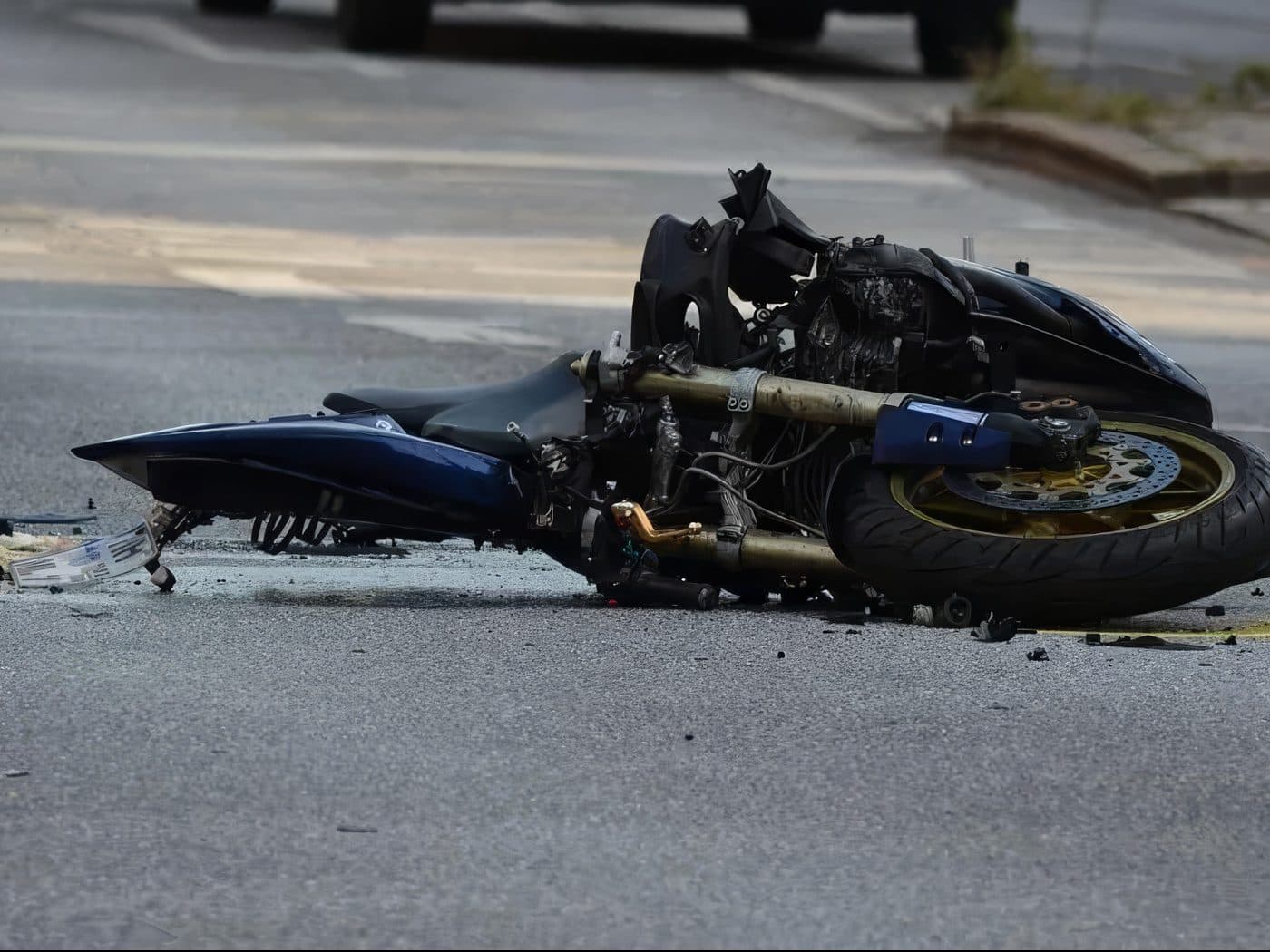
The Tadda Law Firm represents riders hurt in motorcycle accidents in Baton Rouge and the parishes east of it. Motorcycle crashes are part of the firm’s motor vehicle practice, which is roughly seven in ten of its matters.
Why motorcycle injuries are different
A car is built to absorb a collision around the people inside it. A motorcycle is not, and the firm’s own writing on these crashes says it directly: a rider is essentially part of the vehicle. When a crash happens there is very little between the rider and the road, another vehicle, or a guardrail.
That produces a different set of injuries, often several at once.
- Fractures to arms, legs, wrists, ankles, ribs, collarbones, and shoulders.
- Road rash, which can remove layers of skin and need extended treatment.
- Head injuries, including brain injuries whose symptoms appear later rather than at the scene.
- Spinal and internal injuries that are not visible from the outside.
Get checked, even if you feel all right
Some of the most serious motorcycle injuries are the least obvious. A rider can feel relatively normal at the scene and develop headaches, dizziness, or memory problems later, and internal bleeding does not announce itself. More on that in the firm’s post on delayed injury symptoms.
There is a claim reason as well as a medical one. A claim is proved on the medical record, and a gap at the start of treatment is read later as evidence that nothing much was wrong. Tell the first physician about every symptom, not just the one that hurts most.
"I never saw the motorcycle"
Many motorcycle crashes happen at intersections, during lane changes, or when a car turns across the rider’s path, and many begin with a driver saying the motorcycle was never seen. That statement is often sincere and it is not a defense. A driver who turns across a lane is responsible for looking.
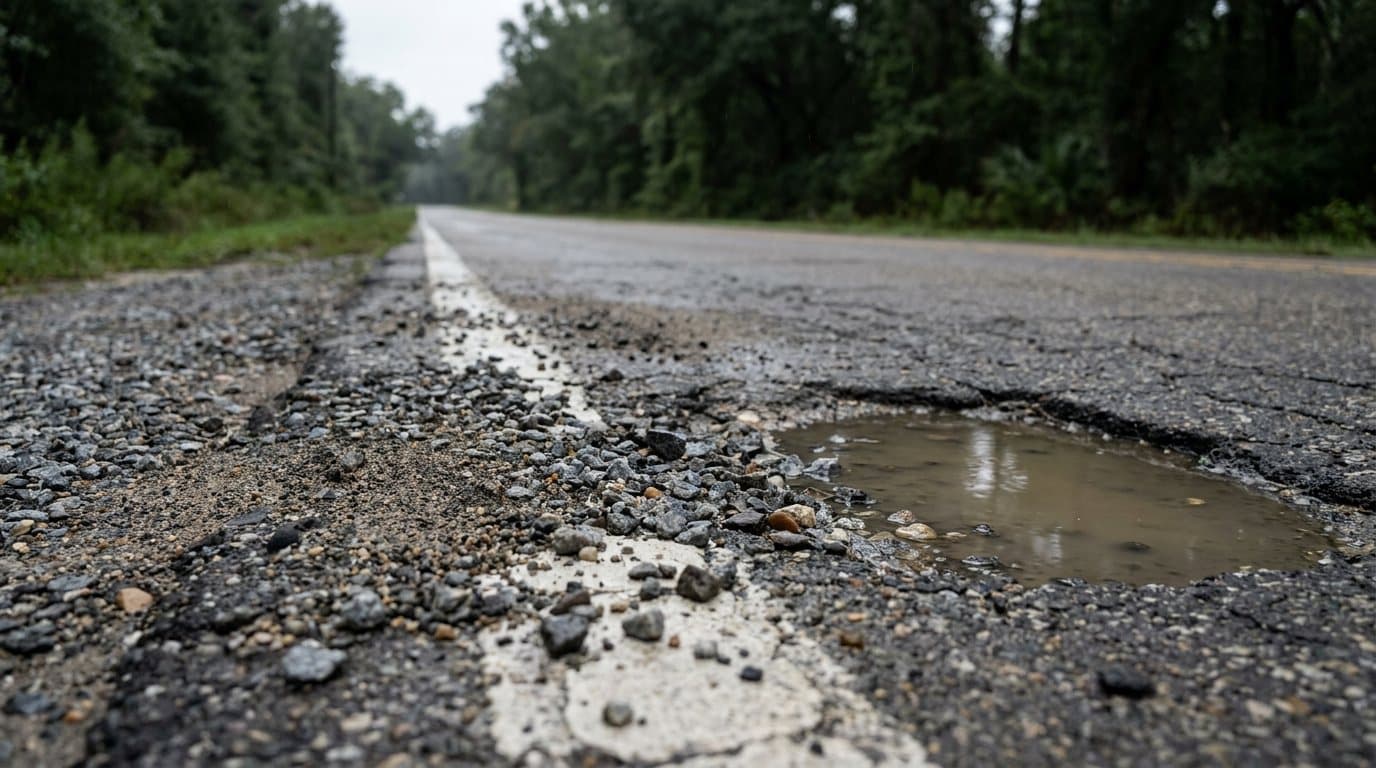
Road conditions matter more to a motorcycle than to a car as well. A pothole, loose gravel, standing water, or debris that a car rolls over can put a rider down. Where a defect in the road caused the crash, the responsible party may not be another driver at all.
Fault, and the 51 percent rule
Insurers often try to put part of the blame on the rider: speed, lane position, visibility. That matters more than it used to. Under Louisiana Civil Code article 2323 as amended by Acts 2025, No. 15, effective January 1, 2026, a person found 51 percent or more at fault recovers nothing. Below that line, damages are reduced by the person’s share of fault.
The difference between 50 percent and 51 percent is the difference between a reduced recovery and none, which is why the facts of the crash need to be pinned down early, while the scene, the witnesses, and any camera footage still exist. If your accident happened before 2026, ask which rule applies to it.
| Rider’s share of fault | Effect on recovery | Source |
|---|---|---|
| None | Damages are not reduced for fault | La. C.C. art. 2323 |
| Less than 51 percent | Damages are reduced in proportion to the rider’s share | La. C.C. art. 2323(A)(2)(b) |
| 51 percent or more | No recovery | La. C.C. art. 2323(A)(2)(a) |
Article 2323 as amended by Acts 2025, No. 15, effective January 1, 2026. For an accident before that date, ask which rule applies.
Louisiana’s helmet law
Louisiana requires every motorcycle operator and rider to wear a helmet secured with a chin strap while the motorcycle is moving. The rule is La. R.S. 32:190, and it has no age exemption.
Expect the other side to raise it if you were not wearing one, especially where there is a head injury. It does not decide who caused the crash. Be straightforward about it at the first meeting so it can be dealt with rather than discovered.
Finding enough insurance to cover a serious injury
This is where motorcycle cases most often go wrong. The injuries tend to be severe, while the at-fault driver’s policy is often an ordinary one, sometimes at the state minimum. The claim is limited by the coverage available to pay it.
That makes your own uninsured and underinsured motorist coverage central rather than incidental, and it is why the firm looks for every other policy that might apply: a vehicle owner who is not the driver, an employer if the driver was working, or the driver’s own policy if they were driving someone else’s vehicle. Erik Tadda’s description of this work is that insurance is complicated, that many adjusters do not understand it, and that finding other coverage is something the firm does every day.
What a motorcycle accident claim covers
Special damages are the calculable losses: medical expenses and lost wages. General damages cover pain, suffering, and loss of enjoyment of life. With motorcycle injuries the future often matters most, because recovery can mean surgery, rehabilitation, and months away from work, and some injuries change what a rider can do for a living. The firm’s serious injuries page explains how that future loss is proved.
No outcome is promised, and a firm number at the first call is a warning sign rather than a show of confidence. The value moves with every diagnosis and every procedure.
Deadlines
Louisiana Civil Code article 3493.1 sets a two year prescriptive period for delictual actions, running from the day the injury is sustained, extended from one year effective July 1, 2024. Evidence at a crash scene disappears far faster than that, so the deadline is the outside limit, not the plan.
Related: car accident lawyer in Baton Rouge, and truck accident claims.
Your attorney
The attorneys who handle motor vehicle claims.
Erik Tadda and Sarah Tormey both list motor vehicle accidents among their practice areas. Every consultation is one on one with an attorney, and the attorney who meets you is the one who handles the case.

Client reviews
What riders and drivers say
Real Google reviews, shown as posted. Amy Landry’s describes a motorcycle accident; the other two describe auto accidents.
Past results do not guarantee or predict a similar outcome in any future case.
Can I still recover if the driver says they never saw my motorcycle?
Yes, that statement is not a defense. Many motorcycle crashes happen at intersections, during lane changes, or when a car turns across a rider’s path, and a driver who turns across a lane is responsible for looking. The question is what the evidence shows about how the crash happened, which is why witnesses, photographs, and any camera footage matter so much early on.
Does not wearing a helmet hurt my motorcycle accident claim?
Louisiana requires every operator and rider to wear a helmet under La. R.S. 32:190, with no age exemption. Expect the other side to raise it, especially with a head injury. It does not decide who caused the crash. Be straightforward about it at the first meeting so the attorney can deal with it rather than discover it later.
What if I was partly at fault for the motorcycle accident?
For accidents on or after January 1, 2026, Louisiana Civil Code article 2323 bars recovery if you are found 51 percent or more at fault and reduces your damages by your share below that. Insurers often try to shift part of the blame to the rider, so pinning down the facts early matters. For an older accident, ask which rule applies.
What if the other driver does not have enough insurance?
It is common in motorcycle cases, because the injuries are often serious and the at-fault policy is often small. Your own uninsured and underinsured motorist coverage can be central, and there may be other policies: a vehicle owner who is not the driver, or an employer if the driver was working. Finding every policy is the first job.
How long do I have to file a motorcycle accident claim in Louisiana?
Louisiana Civil Code article 3493.1 sets a two year prescriptive period for delictual actions, running from the day the injury is sustained. Other deadlines can apply depending on who is involved, and evidence from the scene disappears much faster than two years, so it is worth asking early.
Sources
Where these rules come from
The law cited on this page, at its primary source. General information, not advice about a particular case.
- La. R.S. 32:190, safety helmets
Louisiana’s helmet requirement for every motorcycle operator and rider.
- Louisiana Civil Code article 2323, comparative fault
The 51 percent rule, effective January 1, 2026.
- Louisiana Civil Code article 3493.1, prescription
The two year deadline for injury claims.
Free consultation
Start with a conversation with an attorney.
Free same-day consultations, Monday through Friday. Tell us what happened and we will tell you honestly whether there is a claim worth pursuing and what the next step looks like.
You will speak with an attorney, not a case worker.