
Practice area
Serious and specific injuries
Some injuries change the arithmetic of a claim entirely, because the question stops being recovery and becomes what the rest of working life looks like.
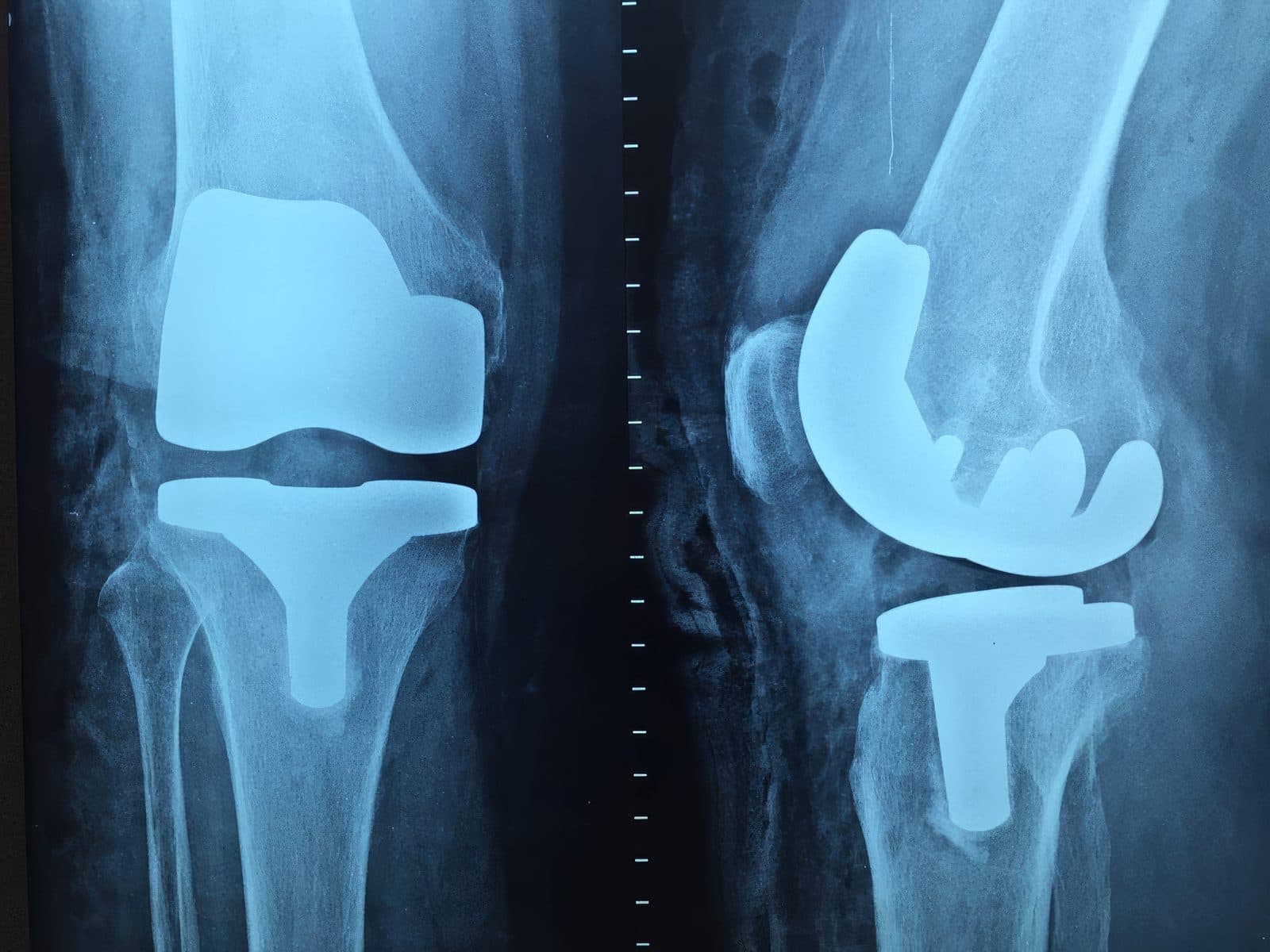
Neck, back, knee, and shoulder injuries appear explicitly on Erik Tadda’s practice list, and they recur because they are the ones that limit physical work: a shoulder that will not go overhead, a back that cannot take repeated lifting, a knee that rules out ladders and scaffolding.
When an injury becomes permanent
Someone can finish treatment, be formally released, and still be unable to work overhead or hold three points of contact on a ladder. At that point the claim is about future loss rather than past bills, and proving it takes people rather than paperwork.
What follows is not a medical question but an economic one. If a person earned thirty dollars an hour doing work their restrictions now rule out, and the work they can still do pays fifteen, that difference continues for the rest of a working life.
Why the diagnosis alone is not enough
Herniated discs are a common finding, and they illustrate why documentation matters so much. An MRI showing a herniation proves the herniation exists; it does not by itself prove what caused it. Without a physician stating that connection in the record, an insurer has room to argue the finding predated the incident, and that argument is much easier to prevent than to answer.
Why timing matters on a serious injury
An injury that looks minor in the first week can turn out to be the significant one. People lead with whatever hurts most, and when the shoulder improves the back turns out to be the real problem. If the back was not mentioned at the first visit, an adjuster will notice.
That is why the firm asks clients to be complete at the first appointment rather than efficient, and why consistent treatment matters more than most people are told. The firm’s post on delayed injury symptoms covers this in more depth.
Proving what a permanent injury costs
Where an injury permanently changes what someone can earn, the claim stops being about bills already incurred and becomes about a future that has to be established with evidence rather than asserted. That normally means three kinds of specialist, set out in the table below.
These are expensive people to retain, which is part of why they appear in larger claims rather than every claim, and part of why the decision to file suit gets discussed openly with the client rather than made for them.
| Specialist | What they establish |
|---|---|
| Vocational rehabilitation counselor | Meets the treating physician, establishes the restrictions, and identifies what work is genuinely still available |
| Life care planner | Documents what ongoing treatment, procedures, and equipment will cost across a lifetime |
| Economist | Reduces those figures to present value, accounting for medical costs tending to outrun general inflation |
Future medical care has to be tied to the injury
Louisiana law is specific on this point. Under Civil Code article 2315, damages do not include costs for future medical treatment, services, surveillance, or procedures unless they are directly related to a manifest physical or mental injury or disease. Future care has to be connected to an injury that is actually there, which is exactly what the life care plan and the treating physician’s records establish.
When the right time to value the claim is
Usually when treatment is complete or a physician records maximum medical improvement, meaning this is as good as it is going to get. Evaluating earlier tends to undervalue a serious injury, because the figure moves with every diagnosis and every procedure.
The same injuries arise whether the cause was a vehicle collision, a fall, or a workplace accident, but the rules that apply are different in each, which is why the cause gets established first.
Related: personal injury claims.
Your attorney
Erik Tadda handles serious injury claims.
Neck, back, knee, and shoulder injuries are listed on Erik’s own practice profile. He has practiced in Louisiana since 1991 and reads medical records himself rather than working from a summary.

Client reviews
What injured clients say
Real Google reviews, shown as posted.
Past results do not guarantee or predict a similar outcome in any future case.
An MRI shows a herniated disc. Does that prove my claim?
It proves the herniation exists, not what caused it. Without a physician stating in the record that the finding relates to the incident, an insurer can argue it was there before. That connection is much easier to establish at the first appointments than to argue for months later.
Can I recover for medical care I will need in the future?
Yes, where it is tied to a real injury. Louisiana Civil Code article 2315 excludes future medical costs unless they are directly related to a manifest physical or mental injury or disease. A life care plan and the treating physician’s records are what connect future care to the injury.
Can a serious injury claim include lost earning capacity?
Yes, and it is often the largest part of a serious injury claim when you can still work, but not at your old job or old pay. A vocational rehabilitation counselor establishes what work is still realistic, and an economist puts a present value on the gap between what you earned and what you can earn now, across the rest of a working life.
Sources
Where these rules come from
The law cited on this page, at its primary source. General information, not advice about a particular case.
- Louisiana Civil Code article 2315, liability for acts causing damages
Including the rule on future medical treatment.
- Louisiana Civil Code article 2323, comparative fault
The 51 percent rule, effective January 1, 2026.
- Louisiana Civil Code article 3493.1, prescription
The two year deadline for most injury claims.
Free consultation
Start with a conversation with an attorney.
Free same-day consultations, Monday through Friday. Tell us what happened and we will tell you honestly whether there is a claim worth pursuing and what the next step looks like.
You will speak with an attorney, not a case worker.