
Blog
Why Accident Reconstruction Can Be Important in Serious Injury Cases
The Tadda Law Firm · July 3, 2026 · 5 min read
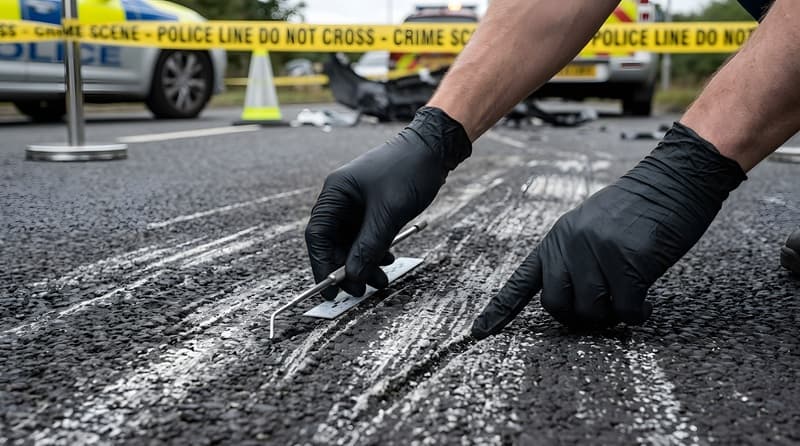
After a serious car accident, the focus naturally shifts to emergency medical care, repairing damaged vehicles, and helping injured people begin the recovery process. At the same time, another important process often begins: determining exactly how the accident happened.
In many collisions, the facts are straightforward. The evidence is clear, witnesses agree on what occurred, and responsibility is relatively easy to understand.
Serious injury cases are often different.
Questions about your own situation? Call or text (225) 756-0007. The consultation is free and it is with an attorney.
Multiple vehicles may be involved. Witnesses may have different accounts of the crash. Drivers may remember events differently because of the trauma. Physical evidence may tell a story that isn’t immediately obvious at the scene.
That is where accident reconstruction can become an important part of understanding what happened.
Looking Beyond Initial Impressions
The moments immediately following a crash are often confusing.
Vehicles may come to rest far from the point of impact. Debris is scattered across the roadway. Traffic continues moving. Emergency responders focus on protecting lives first, as they should.
An accident scene changes quickly.
Because of that, investigators often rely on careful documentation to preserve information before it disappears.
Measurements, photographs, videos, roadway markings, and vehicle positions all become valuable pieces of the larger picture.
Physical Evidence Doesn’t Forget
One advantage of physical evidence is that it remains objective.
Skid marks, vehicle damage, debris fields, tire marks, gouges in the pavement, and final resting positions all provide information about how the collision unfolded.
While people may remember events differently, physical evidence allows investigators to compare those accounts against measurable facts.
Each piece of evidence may seem small on its own, but together they often reveal the sequence of events that occurred before, during, and after the collision.
Technology Has Changed Accident Investigations
Modern vehicles contain far more information than many people realize.
Many vehicles include Event Data Recorders that may capture information immediately before and during certain types of collisions.
Depending on the vehicle, that information may include speed, braking activity, throttle position, steering input, seat belt use, and other operating data.
When available, this information provides investigators with another source of objective evidence.
Technology has become an important part of understanding how serious crashes occur.
Road Conditions Matter
Not every accident happens on a perfect roadway under ideal conditions.
Rain, fog, poor lighting, construction zones, uneven pavement, standing water, damaged guardrails, missing traffic signs, and limited visibility can all influence how a collision develops.
Accident reconstruction considers these environmental factors rather than looking only at the vehicles involved.
The roadway itself sometimes becomes part of the investigation.
Commercial Vehicle Cases Often Involve More Evidence
Collisions involving commercial trucks frequently require additional investigation.
Commercial vehicles often generate records that passenger vehicles do not.
Maintenance records, inspection reports, driver logs, electronic logging devices, GPS information, onboard cameras, and company documentation may all become relevant depending on the circumstances.
Each source of information contributes another piece of the overall timeline.
Multiple Vehicles Create Additional Complexity
Chain-reaction crashes can become especially difficult to understand.
Determining which impact occurred first, how vehicles moved after the initial collision, and how each driver responded often requires careful analysis.
Vehicle damage patterns, impact angles, roadway evidence, and timing all help investigators reconstruct the sequence of events.
Without careful evaluation, important details may easily be overlooked.
Serious Injuries Deserve Thorough Investigation
When someone suffers catastrophic injuries, the details of the accident become especially important.
Understanding how the collision occurred may help explain why certain injuries developed.
Medical records describe the injuries.
Accident reconstruction helps explain the forces that produced them.
Together, those two areas provide a more complete understanding of the collision.
Witnesses Remain Important
Witness testimony continues to play a valuable role.
However, witnesses often observe different parts of an accident from different locations.
One person may only see the beginning of the collision.
Another may notice events afterward.
Some may have obstructed views or only a few seconds to observe what happened.
Accident reconstruction does not replace witness testimony.
Instead, it helps compare those observations with the physical evidence collected from the scene.
Time Is Often Critical
One challenge in serious accident investigations is that valuable evidence does not remain available forever.
- Vehicles are repaired.
- Roadways are reopened.
- Weather removes tire marks.
- Debris is cleared away.
Electronic data may eventually be overwritten.
Photographs become harder to obtain.
The sooner important evidence is documented, the more complete the investigation can be.
Computer Modeling Adds Another Tool
Today’s reconstruction specialists often use advanced computer software to recreate accident scenes.
Using measurements collected from the roadway and information gathered during the investigation, specialists can model vehicle movement, impact locations, and collision dynamics.
These visual presentations often make complicated technical information easier to understand.
While computer models are valuable, they remain only one part of a much larger investigation that includes physical evidence and engineering analysis.
Every Accident Is Different
No two collisions occur exactly the same way.
The number of vehicles, weather conditions, roadway design, driver actions, traffic patterns, vehicle speeds, mechanical conditions, and visibility all create unique circumstances.
Because every accident is different, every investigation should be based on the specific evidence available rather than assumptions.
That careful approach helps produce a more accurate understanding of what actually occurred.
Building a Clearer Picture
Accident reconstruction is ultimately about answering questions.
- How did the collision begin?
- What happened next?
- How did each vehicle move?
- What physical evidence supports those conclusions?
The goal is not to speculate. The goal is to carefully examine measurable evidence and build a timeline supported by facts.
In serious injury cases, those facts matter.
Physical evidence, electronic data, roadway conditions, vehicle damage, photographs, witness statements, and engineering principles all work together to create a more complete picture of the collision.
When the consequences of an accident are significant, understanding exactly how it happened becomes an important part of evaluating the case. Thorough accident reconstruction provides another layer of information that helps explain complex events, supports informed legal analysis, and allows decisions to be based on evidence rather than assumptions.
Related practice area: Car accident lawyer in Baton Rouge
This article is general information about Louisiana law and is not legal advice about your situation. If you want an answer about your own case, the consultation is free and it is with an attorney.
Call or text (225) 756-0007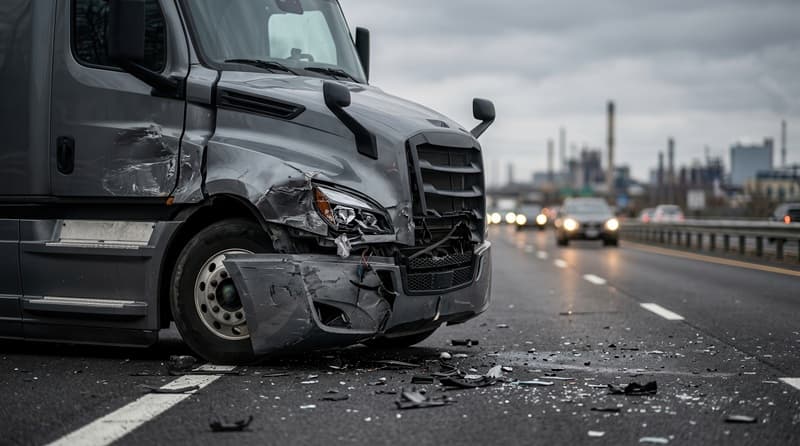

Free consultation
Start with a conversation with an attorney.
Free same-day consultations, Monday through Friday. Tell us what happened and we will tell you honestly whether there is a claim worth pursuing and what the next step looks like.
You will speak with an attorney, not a case worker.