
Blog
How Accident Scene Evidence Supports Injury Claim Evaluation
The Tadda Law Firm · May 16, 2026 · 4 min read
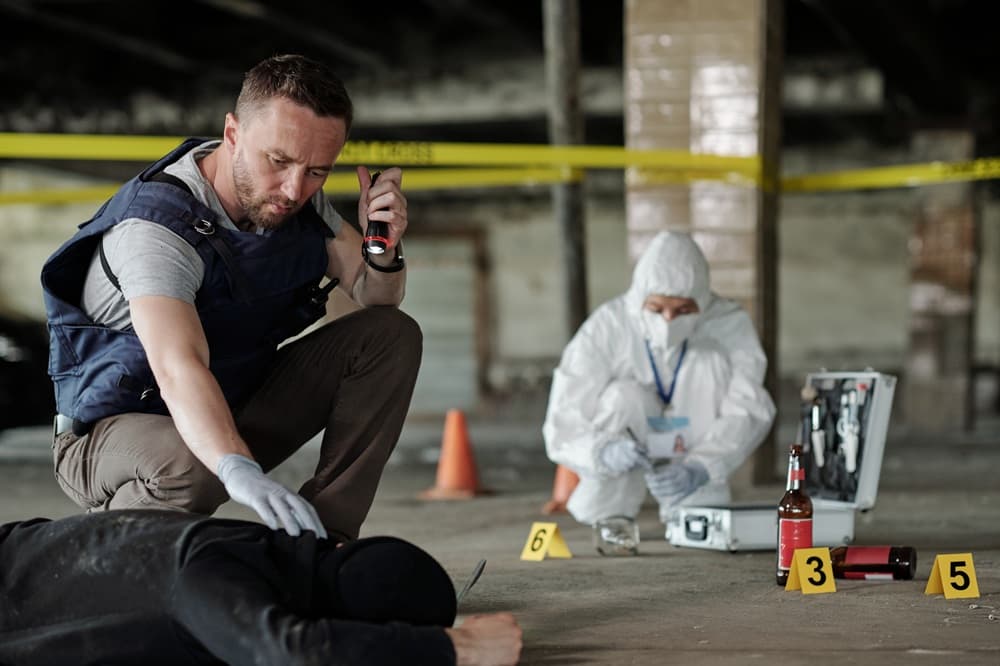
After an accident, the scene can tell a story that may not be obvious later.
At the moment an incident happens, important details are still present. Vehicles may still be positioned where they came to rest. Broken glass, skid marks, damaged guardrails, spilled liquids, uneven flooring, poor lighting, debris, warning signs, or missing warning signs may still be visible. Witnesses may still be nearby. Weather conditions may still be affecting visibility, traction, or movement.
Then time starts moving.
Questions about your own situation? Call or text (225) 756-0007. The consultation is free and it is with an attorney.
Cars get towed. Roads reopen. Store employees clean floors. Property owners repair hazards. Rain washes away marks. Witnesses leave. Surveillance video may be erased. Damaged items may be thrown out. What was clear at the scene can become harder to prove later.
That is why accident scene evidence can be so important in evaluating an injury claim.
An injury claim is not only about saying an accident happened. It often requires showing how the accident happened, what conditions existed, who may have been responsible, and how the incident relates to the injuries being reported. Evidence from the scene can help connect those pieces.
Photographs are one of the most useful forms of evidence. In a car crash, photographs can show vehicle damage, final resting positions, skid marks, traffic signals, lane markings, road signs, debris, construction zones, weather conditions, visibility, and nearby businesses or landmarks. Those details can help explain the direction of impact, the severity of the collision, and the conditions surrounding the crash.
In a slip and fall or premises-related injury, photographs may show a wet floor, broken tile, uneven pavement, damaged stairs, missing handrails, poor lighting, cluttered walkways, torn mats, loose flooring, or lack of warning signs. A hazard that looks obvious in the moment may be repaired or cleaned up quickly. A photograph helps preserve what was there when the injury occurred.
The most helpful photographs usually show both the big picture and the smaller details. Wide shots can show the entire scene. Close-up photos can show the specific hazard, damage, injury, or condition. A single picture may not explain everything, but a group of pictures can create useful context.
Video evidence can also matter. Surveillance cameras, dash cameras, doorbell cameras, traffic cameras, and cellphone videos may show what happened before, during, and after an incident. Video can help clarify movement, timing, visibility, behavior, warnings, and impact. It can also become important when different people remember the event differently.
Witness information is another major piece of the puzzle. People who saw the accident may remember details that are not captured in a photo or report. A witness may describe speed, direction, lighting, a fall hazard, a driver’s behavior, a warning that was missing, or statements made at the scene. Memories fade over time, so identifying witnesses early can help preserve information while details are still fresh.
Official reports can provide important documentation as well. Police reports, incident reports, workplace reports, EMS reports, and fire department reports may include names, dates, times, locations, diagrams, statements, citations, observations, and contact information. These reports may not answer every question, but they can help establish a basic timeline and identify parties involved.
Physical evidence can also support an injury claim. Damaged vehicles, broken property, torn clothing, defective equipment, spilled substances, loose flooring, damaged railings, and other items may help explain how the injury happened. If physical evidence is repaired, discarded, moved, or altered too quickly, later review may become more difficult.
Location details are often important. An accident does not happen in a vacuum. Street layout, traffic signs, intersections, parking lot design, building entrances, sidewalk conditions, stairways, ramps, lighting, drainage, and visibility can all affect how an incident is evaluated. The location itself may help explain why the accident occurred.
Weather and lighting conditions can also play a role. Rain, fog, glare, darkness, poor visibility, standing water, and slippery surfaces can affect both vehicle crashes and premises-related injuries. Documenting time of day, lighting, and weather conditions can help explain traction, reaction time, visibility, and hazard awareness.
Medical documentation works alongside accident scene evidence. Scene evidence may help explain how the injury occurred. Medical records help document what injuries were reported, what treatment was received, what tests were performed, and how the condition developed over time.
Consistency matters. When photographs, reports, witness statements, physical evidence, and medical records all point in the same direction, the claim becomes easier to understand. When details conflict, further review may be needed. Evidence helps sort through those issues.
Accident scene evidence can also help address causation. Causation means connecting the incident to the injury. Vehicle damage may help explain how force was transferred during a crash. A photographed hazard may help explain how a fall occurred. A report may document immediate complaints of pain. Medical records may show treatment beginning soon after the event.
Injury claims can involve more than medical bills. Lost income, future treatment, physical limitations, pain, reduced mobility, property damage, and changes in daily life may all need documentation. Scene evidence may not prove every part of the claim by itself, but it can help establish the foundation.
The most important point is that accident scenes do not stay the same. Evidence can disappear quickly. Preserving information early can reduce confusion later.
Accident scene evidence helps show what happened, where it happened, why it may have happened, and how the incident connects to the injuries being claimed. Memory alone can become uncertain with time. Documentation gives the claim something stronger to stand on.
Related practice area: Car accident lawyer in Baton Rouge
This article is general information about Louisiana law and is not legal advice about your situation. If you want an answer about your own case, the consultation is free and it is with an attorney.
Call or text (225) 756-0007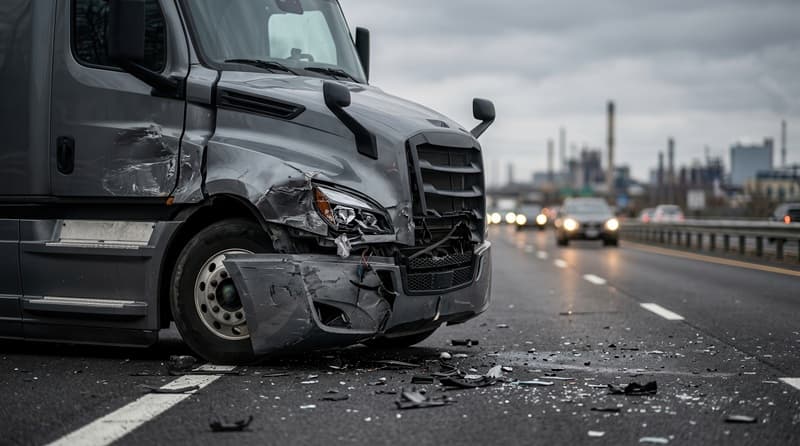

Free consultation
Start with a conversation with an attorney.
Free same-day consultations, Monday through Friday. Tell us what happened and we will tell you honestly whether there is a claim worth pursuing and what the next step looks like.
You will speak with an attorney, not a case worker.