Blog
Construction Site Injuries Are Rarely as Simple as They First Appear
The Tadda Law Firm · July 11, 2026 · 4 min read
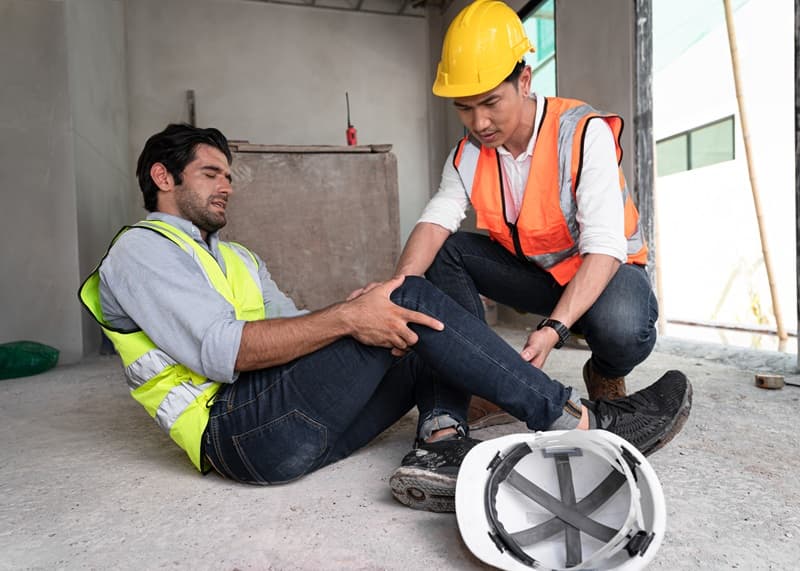
People often assume that construction site accidents have straightforward explanations. Someone gets hurt, someone else must be responsible, and the situation should be easy to sort out.
Unfortunately, construction sites don’t usually operate that simply.
After practicing injury law for many years, I’ve learned that construction projects are a lot like orchestras. Everyone has a different role, everyone is working toward the same goal, and if one section gets out of sync, the entire performance can be affected.
Questions about your own situation? Call or text (225) 756-0007. The consultation is free and it is with an attorney.
The difference, of course, is that construction sites involve cranes, scaffolding, heavy equipment, electrical systems, and enough moving parts to keep everyone paying close attention.
A modern construction project may have dozens of companies working together on the same property.
There may be a general contractor overseeing the project.
- Several subcontractors handling specialized trades.
- Equipment rental companies supplying machinery.
- Material suppliers making deliveries.
- Architects reviewing progress.
- Engineers inspecting structural work.
- Property owners making decisions.
- Safety personnel monitoring jobsite conditions.
Every one of those parties has a different role, and understanding how those responsibilities overlap often becomes one of the most important parts of investigating an accident.
That’s why construction injury cases rarely fit neatly into a simple box.
Take something as common as a fall.
At first glance, it may seem obvious.
Someone fell from scaffolding.
Case closed.
Not necessarily. The next questions begin almost immediately.
- Who assembled the scaffolding?
- Who inspected it?
- Who owned it?
- Was it modified?
- Were safety procedures followed?
- Did another contractor remove guardrails earlier in the day?
- Was the surface affected by weather?
- Were multiple crews working in the same area?
One incident can quickly involve numerous questions, and the answers aren’t always immediately obvious.
The same applies to equipment accidents.
Construction equipment is built to perform demanding work under difficult conditions, but like any machinery, it requires proper maintenance, inspection, and operation.
If a lift, crane, forklift, or power tool is involved in an accident, investigators often examine maintenance records, inspection logs, operator training, manufacturer instructions, and operating conditions before reaching conclusions.
- Sometimes equipment functions exactly as intended.
- Sometimes maintenance becomes part of the conversation.
Occasionally, product design itself becomes an issue.
Each situation is different. Construction sites also change constantly.
Unlike an office building where the furniture stays in roughly the same place every day, active construction sites evolve hour by hour.
Materials arrive.
Temporary structures go up. Others come down.
- Electrical systems are installed.
- Concrete is poured.
- Excavations begin.
- Scaffolding moves.
- Work areas expand.
Yesterday’s safe pathway may not exist today because the project has entered a different phase.
That constant change requires ongoing coordination among everyone working on the project.
Communication plays an enormous role.
One contractor may finish work in an area while another begins immediately afterward.
If important information isn’t communicated clearly, conditions can change faster than people realize.
That’s one reason safety meetings and project coordination exist. They’re designed to help everyone stay informed as the jobsite continues evolving.
Documentation becomes extremely important after an accident. Construction projects generate enormous amounts of information.
- Daily reports.
- Inspection records.
- Safety meeting notes.
- Equipment maintenance logs.
- Photographs.
- Project schedules.
- Delivery records.
- Training documentation.
All of those records help tell the story of what happened before, during, and after an incident.
Witnesses are also valuable.
Different people observe different parts of an event.
An equipment operator may notice something entirely different than someone working nearby. Supervisors may have information about scheduling or previous concerns.
Combining those perspectives often creates a much clearer understanding of the situation.
Technology has certainly changed accident investigations over the years.
Construction sites now use drones, digital project management software, surveillance cameras, electronic communications, GPS-equipped equipment, and detailed project records that simply weren’t available years ago.
Those tools provide valuable information. They don’t replace careful investigation, but they certainly add pieces to the puzzle.
Workers’ compensation is another topic that often causes confusion. Many injured construction workers qualify for workers’ compensation benefits through their employer.
However, depending on the facts, there may also be situations involving third parties whose actions contributed to an accident.
Construction projects involve so many independent companies that understanding those relationships becomes an important part of evaluating what legal options may exist.
Every situation deserves an individual review because no two construction sites operate exactly alike.
One thing I’ve always appreciated about construction professionals is the amount of skill required to perform the work safely.
Every trade brings specialized knowledge.
- Electricians.
- Ironworkers.
- Roofers.
- Concrete crews.
- Equipment operators.
- Carpenters.
- Plumbers.
- HVAC technicians.
Each performs demanding work that contributes to the finished project.
Construction remains one of the industries where teamwork truly matters because every phase depends on the work completed before it.
When an injury occurs, understanding how all of those moving parts fit together becomes essential.
The goal isn’t simply identifying what happened. It’s understanding why it happened.
- Sometimes the answer involves one decision.
- Sometimes several circumstances combine to create an unfortunate outcome.
At The Tadda Law Firm Injury Attorneys, construction injury cases are approached with the understanding that these incidents often involve far more complexity than they first appear. Every project has its own contracts, responsibilities, timelines, safety procedures, and working relationships. Careful investigation helps uncover those details while providing a clearer picture of the circumstances surrounding an injury.
Construction has always been an industry built on planning, coordination, and teamwork.
Ironically, those same qualities often become essential after an accident occurs.
Because when dozens of companies, hundreds of workers, thousands of pieces of equipment, and countless daily decisions all come together on one jobsite, the answer to “What happened?” is rarely found in a single sentence.
It usually takes patience, careful investigation, and a willingness to look beyond the obvious.
And much like building the structure itself, getting to the truth is often a matter of putting every piece in exactly the right place.
Related practice area: Workers compensation lawyer in Baton Rouge
This article is general information about Louisiana law and is not legal advice about your situation. If you want an answer about your own case, the consultation is free and it is with an attorney.
Call or text (225) 756-0007

Free consultation
Start with a conversation with an attorney.
Free same-day consultations, Monday through Friday. Tell us what happened and we will tell you honestly whether there is a claim worth pursuing and what the next step looks like.
You will speak with an attorney, not a case worker.